
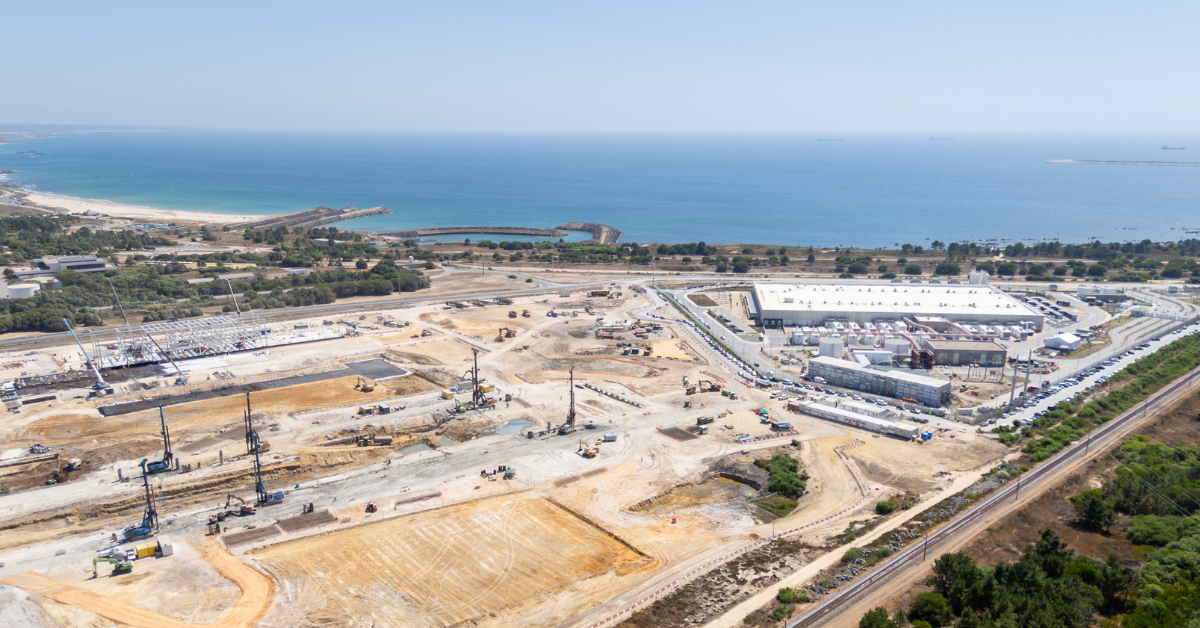
In data center site selection, an RFP (Request for Proposal) is a formal document issued by a data center developer, operator, or hyperscaler to land owners, economic development organizations (EDOs), utility companies, or municipalities to solicit detailed offers for potential development sites.
It serves as the bridge between preliminary map screening and binding real estate/power agreements.
A seller who receives a formal RFP from a data center operator or their development team sees pages of questions about utilities, zoning, environmental history, connectivity, and site characteristics. That volume of questions can feel like a technical evaluation with no clear pattern.
Every material question in a data center site RFP maps back to one of the four binary pass/fail criteria that determine whether land can support data center development: power, water, fiber, and zoning.
Understanding what RFP questions are actually measuring gives land sellers and brokers a structural advantage: they can assess their land against the same framework the buyer is using before the RFP response is submitted, rather than after the evaluation is complete.
Sellers who understand the underlying criteria can surface the right information proactively, anticipate the follow-up questions, and avoid the most common causes of disqualification. Acres.com gives sellers and brokers the parcel-level infrastructure and land data to evaluate their sites against the same criteria data center buyers use.
Why Do Data Center RFPs Feel More Complex Than They Are?
In 2026, the decisive question is no longer where land is cheap and fiber close, but where large MW of power can realistically be delivered before 2030. Operators send long questionnaires not because they want to create work, but because the cost of due diligence on the wrong site is measured in months and tens of millions of dollars. The complexity of the RFP is proportional to the cost of getting the site selection wrong.
Most site selection RFPs layer questions across five or six functional areas: electrical infrastructure and utility relationship, water supply and discharge, fiber connectivity, zoning and permitting, environmental history, and site physical characteristics. Each of those areas generates its own block of questions.
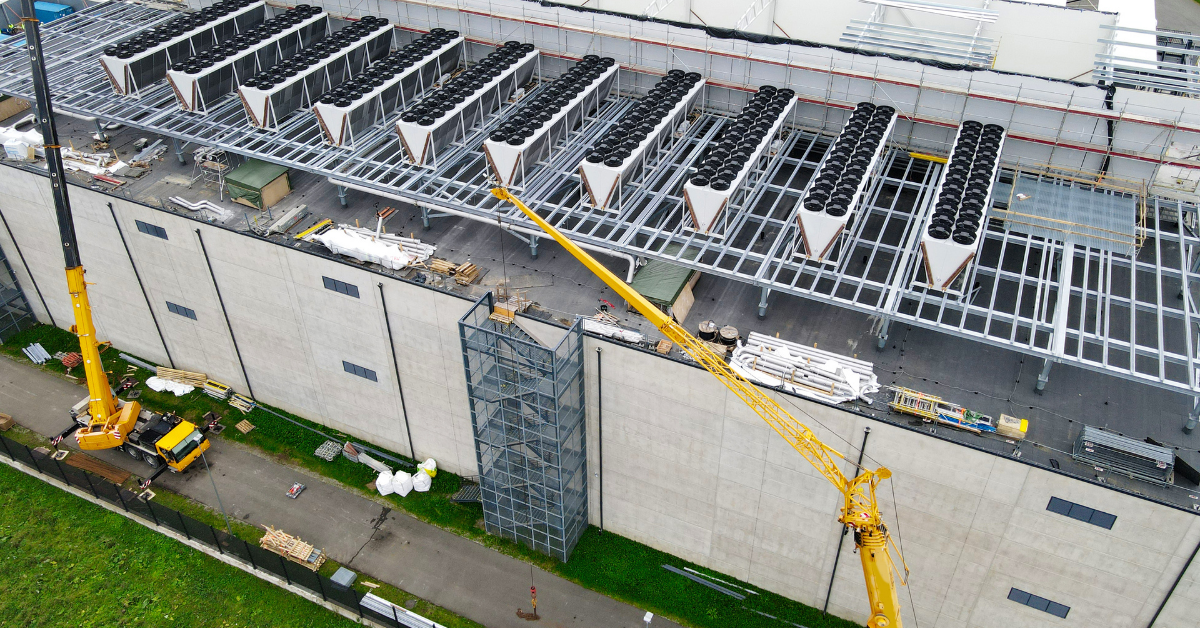
Data center site selection requires evaluating power availability, land control, fiber connectivity, permitting timelines, and cooling infrastructure before committing capital. A site that works for development can still fail for a hyperscale or colocation build if even one critical infrastructure variable is missing. The RFP is the instrument that confirms which variables are present before capital is committed.
How Does Each RFP Section Map to the Site Readiness Gap?
Below is a practical decoder: what RFP sections are actually asking, what the buyer is evaluating, and what a passing response requires on each dimension.
Data Center RFP Decoder: Site Readiness Criteria
|
RFP Category |
What the Buyer Is Evaluating |
Key Passing Criteria |
Common Red Flags |
|---|---|---|---|
|
Power / Electrical / Utility |
Can the local grid deliver the required megawatts on schedule? |
Confirmed power capacity and realistic timeline from the serving utility |
No available grid capacity or multi-year utility queue delays |
|
Water Supply / Discharge |
Can the site support facility cooling needs without local water strain? |
Reliable water access and clear industrial discharge approvals |
Municipal capacity limits or local restrictions on cooling discharge |
|
Fiber Connectivity |
Are there multiple, physically separate fiber paths for data transmission? |
Confirmed route diversity with separate physical entries to the site |
Single connection path or providers sharing the same physical pipe |
|
Zoning and Permitting |
Is data center development permitted without long public disputes? |
By-right zoning or a clear, predictable permitting pathway |
Prohibited land use, active moratoriums, or required rezoning battles |
|
Environmental |
Are there site contamination risks that could delay development? |
Clean environmental history (Phase I ESA) with no active contamination |
Active pollution issues requiring cleanup or floodplain restrictions |
|
Site Fit |
Can the land physically fit the planned facility and future expansion? |
Sufficient buildable acreage, good soil, and clear property ownership |
Unusable land terrain, property disputes, or restricted acreage |
What Are the Most Common RFP Disqualifiers Land Sellers Miss?
Most of the land marketed as data center-suitable today fails at least one of the four Tier 1 criteria when evaluated systematically. The most common disqualifiers that sellers miss before submitting an RFP response are:
- Presenting utility letters that confirm service area coverage without confirming available capacity at the project scale.
- Citing fiber carrier names without confirming physical route diversity.
- Treating zoning as clear when the use is permitted as a conditional or special exception rather than by-right.
The utility letter problem is the most frequent cause of first-round disqualification in data center site RFPs. A letter from the serving utility confirming that the site is within their service territory is not a capacity confirmation. Operators screen for available load headroom at the nearest substation, preliminary interconnection feasibility, and a realistic timeline to energization—none of which appear in a standard utility service territory confirmation letter. Sellers who present service area confirmation letters as power availability evidence are not presenting what the RFP is asking for.
Understanding zoning regulations and local politics is critical to obtaining necessary permits. The first step is verifying that the local zoning ordinance specifically permits data center uses in the development site's zoning district, not just that industrial uses are permitted, and not just that the parcel could be rezoned. Zoning restrictions on height and placement of accessory water towers and cooling ponds can preclude or reduce data center development on a site even if the use itself is technically permitted.
|
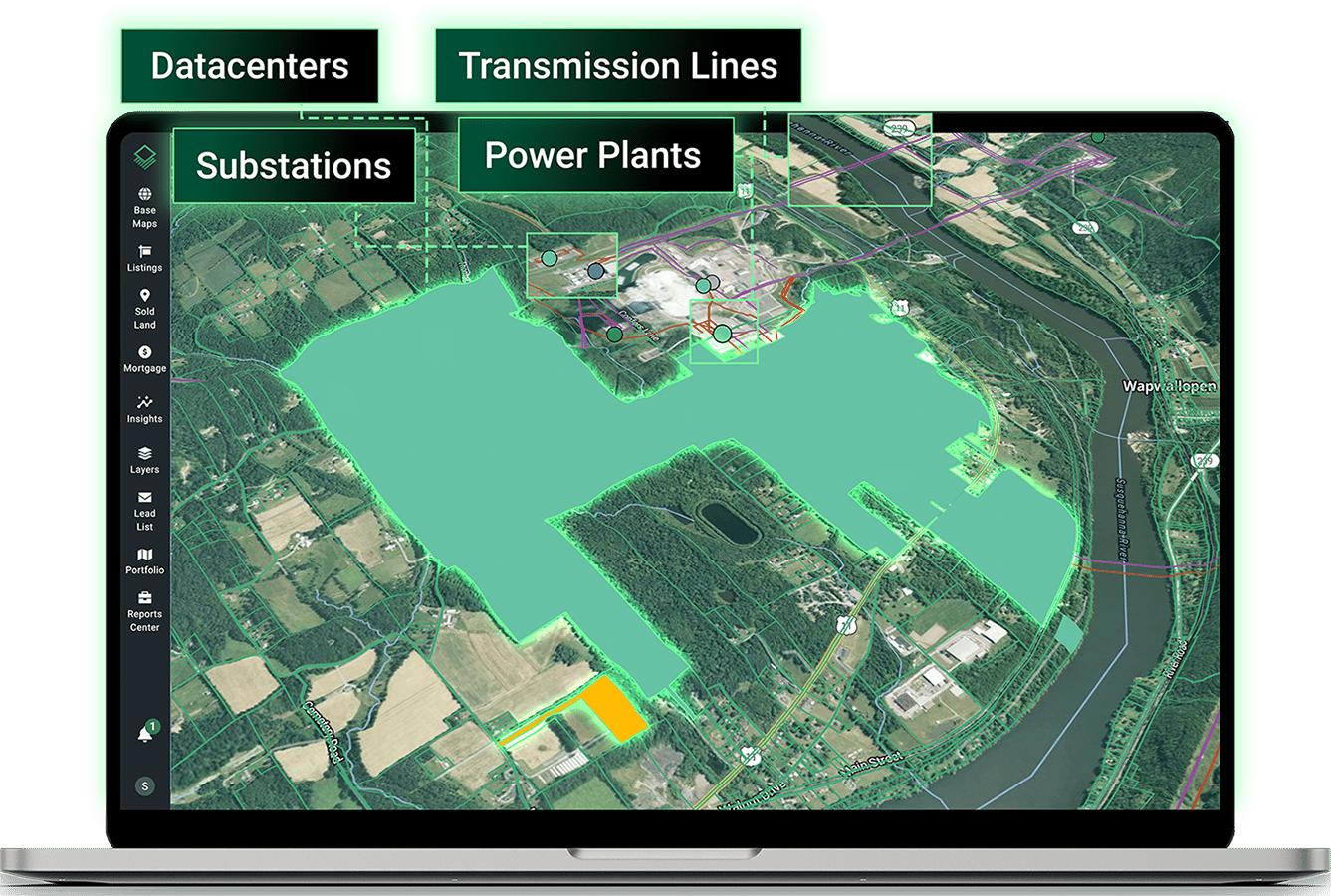
With Acres: Acres gives land sellers and brokers the parcel-level infrastructure context to pre-screen their sites against the same criteria data center operators use in their RFP evaluations. Power proximity signals, fiber route presence, zoning classification, and environmental risk overlays for any U.S. parcel are available in a single Acres platform session. Sellers who do this pre-screening arrive at the RFP process knowing where their site passes and where it needs additional documentation. |
What Does a High-Scoring RFP Response Look Like?
The best sites balance grid availability, water sustainability, and streamlined permitting, and the best RFP responses demonstrate all three proactively. A high-scoring response does not wait for follow-up questions on power to surface the interconnection feasibility data - it includes it in the initial response. It does not present fiber carrier names without addressing physical route diversity - it includes carrier-confirmed route maps showing physically separate conduit paths. It does not describe zoning as 'industrial' without confirming whether data center use is by-right or conditional.
The specific documentation that moves an RFP response from adequate to competitive in 2026 is:
- A utility feasibility confirmation (not a service territory letter) that addresses available MW and preliminary timeline.
- A Phase I environmental assessment or environmental conditions summary for any site with prior industrial use.
- Carrier confirmation of physical route diversity with separate conduit entry points confirmed; a zoning determination letter or conditional use permit status confirmation.
- Current title evidence showing ownership structure and absence of encumbrances that would complicate acquisition.
A credible, evidenced power narrative (whether grid or behind-the-meter) is the difference between industrial-land pricing and powered-land pricing. The same principle applies to the RFP response: the seller who documents their site against the buyer's actual evaluation framework is the seller who controls the narrative in the acquisition process.
Rather than assembling RFP documentation from utility portals, county GIS systems, carrier inquiry processes, and environmental databases separately for each site, sellers using Acres can build the preliminary infrastructure context that anchors an RFP response (substation proximity, environmental risk overlays, zoning classification, and parcel boundary data) in a single session. That preliminary context is the foundation the formal documentation package builds on.
How Acres Prepares Land Sellers for Data Center RFP Processes
Data center site selection RFPs evaluate exactly what Acres surfaces: power proximity, environmental risk, zoning context, fiber infrastructure presence, and parcel characteristics. Acres gives land sellers and brokers access to the most extensive, complete view of land data in a single system—parcel boundaries, ownership records, zoning, infrastructure proximity signals, and environmental context—for over 150 million U.S. parcels.
Say no faster, focus only on viable deals, and outpace your competitors. For sellers preparing to respond to data center site RFPs, parcel evaluation and infrastructure proximity data on Acres provides the pre-screening layer that surfaces the same information the buyer is evaluating before the formal process begins.
For data center acquisition and site selection teams, evaluating RFP responses and candidate parcels requires complete clarity on powered land, zoning friction, and competitive activity. Using Acres, acquisition teams can instantly map verified comparable sales, unmask the buyers behind anonymous LLC transactions, and filter parcels by proximity to substations and transmission lines to validate feasibility before committing time or money.

The RFP Is the Site Readiness Gap in Question Form
Every material question in a data center site selection RFP is asking one of four binary questions: can this site deliver power, water, and fiber at scale, and is zoning clear enough to develop without a fight?
The dozens of specific questions are the mechanisms for confirming whether each dimension passes or fails. Sellers who understand this structure can assess their own sites against the same framework before the RFP arrives and can assemble the documentation that addresses each dimension proactively.
The sellers who progress through data center RFP processes are not necessarily the ones with the best land. They are the ones who present their land against the buyer's evaluation framework clearly, completely, and without making the buyer do the research that the seller could have done first.
Ready to evaluate your land against the same criteria data center operators use in their RFP process? Surface power proximity, zoning, environmental risk, and parcel context for your site on Acres. Book a demo with our team.