
Land bankers now sit in the middle of many builder lot pipelines, between the landowner and the builder that eventually buys the finished lot. Land banking for homebuilders lets a builder control lots through an option instead of owning them outright.
This changes who holds the land, who carries the risk and who land teams compete against for deals.
This article explains how land banking works, why builders use it, and what the shift means for land teams that buy and sell lots. Acres.com shows ownership and transaction records at the parcel level, which makes it easier to see who actually holds the land behind a community.
Why Are Homebuilders Moving Lots Off the Balance Sheet?
Building on owned land ties up capital for years. Lots are bought, entitled, and developed long before a home closes, and lenders have grown more cautious about financing that wait.
According to the NAHB ADC Financing Survey, builders and developers reported tighter credit for the 18th straight quarter in the second quarter of 2026. More than half of those reporting tighter credit said lenders required personal guarantees or collateral unrelated to the project.
When development credit costs more and asks more, builders look for other ways to secure lots. Land banking for homebuilders is one of the main answers. A third party acquires and often funds the development of the land, and the builder pays for the right to take lots down over time.
How Does Land Banking for Homebuilders Work?
In a typical land banking arrangement, a land banker buys a parcel and often funds its development into finished lots. The builder signs an option agreement, pays a deposit and agrees to buy lots on a set schedule. The builder pays an option fee or premium on top of the lot price for that flexibility.
If sales slow, the builder can usually walk away and forfeit the deposit rather than carry unsold land. The land banker keeps the land and the deposit, then looks for another buyer. That structure moves land risk away from the builder and toward the capital provider.
Lot scarcity adds to the appeal. According to NAHB's lot shortage survey, 64% of single-family builders reported a shortage of lots in May 2025. A land banker with capital can secure and fund development on projects that a builder could not finance alone.
For a full walkthrough of the mechanics, read our home builders guide to land banking. Understanding the structure matters because it shapes where lots come from next.
What Does Land-Light Mean in Homebuilding?
Land-light homebuilding means a builder controls more lots than it owns. The controlled lots sit under options with land bankers, developers or the original landowners.
Some builders do not follow this path. Many private and regional builders still prefer to own and develop their own land to avoid option premiums. The shift is uneven by builder size and by market. That unevenness is exactly why land teams need to see it at the local level.
When a builder announces a new community, who will own the land during development? The answer affects who you negotiate with, how fast lots move and who carries the risk if sales stall.
How Do Option Premiums Change the Cost of a Lot?
A banked lot costs more than the lot price alone. The builder pays an option fee or premium for the right to buy later. That cost is often expressed as a return on the land banker's capital.
That premium matters for land teams on the selling side and the buying side. A developer selling finished lots to a land banker competes on yield, not just on price per lot. A builder comparing a banked lot to an owned lot needs to factor in the option premium and deposit terms to the comparison.
The result is a wider spread between headline lot prices and the true cost of a lot. When you read comparable sales, check whether the buyer was a builder or a capital entity. That single detail can change how you estimate land value for a nearby parcel.
How Much Builder Lot Supply Comes From Land Bankers?
Option agreements are private contracts, and many are not recorded in public land records.
What land teams can see is the pattern around them. Deeds that transfer raw land to a capital entity, followed by phased lot sales to a builder, point to a banked community. Entity names, mailing addresses, and the timing of lot transfers can often reveal the structure.
The shift is better read market by market. Local patterns change faster than national ones. A single large banked community can change lot supply in a smaller submarket within one year. Land teams that frequently review transfers can see that change while it is still early.
Treat land banking for homebuilders as a local supply question first. The answer in one county can look very different from the answer two counties away.
What Does the Shift Mean for Builder Land Teams?
The move to third-party lot pipelines can affect development teams in a few ways:
- New competitors: Land bankers bid on the same raw land that builders and developers want. Your competition for a parcel may be a well-capitalized fund rather than another local builder.
- Hidden ownership: A community that looks like a builder project may sit on land owned by an LLC tied to a land bank. Ownership research now takes more steps.
- Takedown risk: Banked lots come with schedules. In November 2026, 46% of builders cut prices, according to the NAHB/Wells Fargo Housing Market Index. When sales slow like this, builders may walk away from scheduled lot takedowns rather than carry excess inventory.
- Pricing signals: Option premiums raise the effective cost of a lot. Comparing banked and owned lot costs gives a truer read on local land values.
These effects show up first in parcel and transaction records, long before they appear in a quarterly report.
How Can Land Teams Track Land Banking in Their Markets?
Tracking third-party capital becomes faster and easier when teams build parcel checks into their workflow for homebuilder land acquisition:
- Check parcel ownership. Open a land ownership map for the submarket you cover and look for clusters of lots held by the same LLC or capital entity.
- Trace recent transfers. Note parcels that moved from a landowner to a capital entity, then to a builder in phases.
- Group related entities. Many land banks use several LLCs with shared mailing addresses or registered agents.
- Watch for released lots. Phases that stop transferring on schedule may signal a builder slowing takedowns.
|
With Acres: Use Homebuilder Market Intelligence to view land and lot transactions, permitting activity and builder pipeline data for the submarket in one interactive dashboard. |
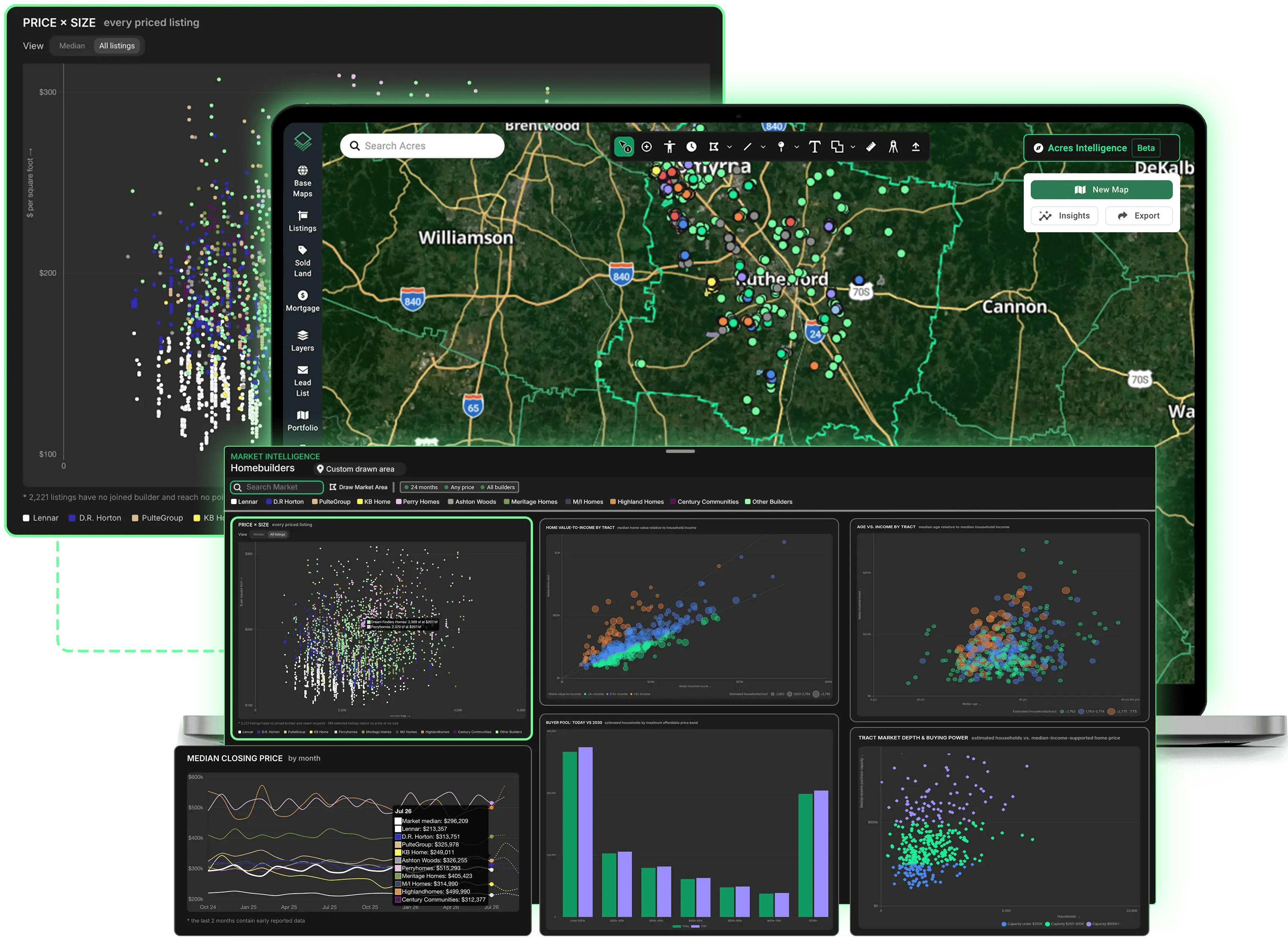
Rather than pulling deeds, entity filings and permit records from separate county systems, Acres brings ownership, transaction and builder activity into one map. Teams that read these patterns early tend to spot both competition and opportunity sooner.
|
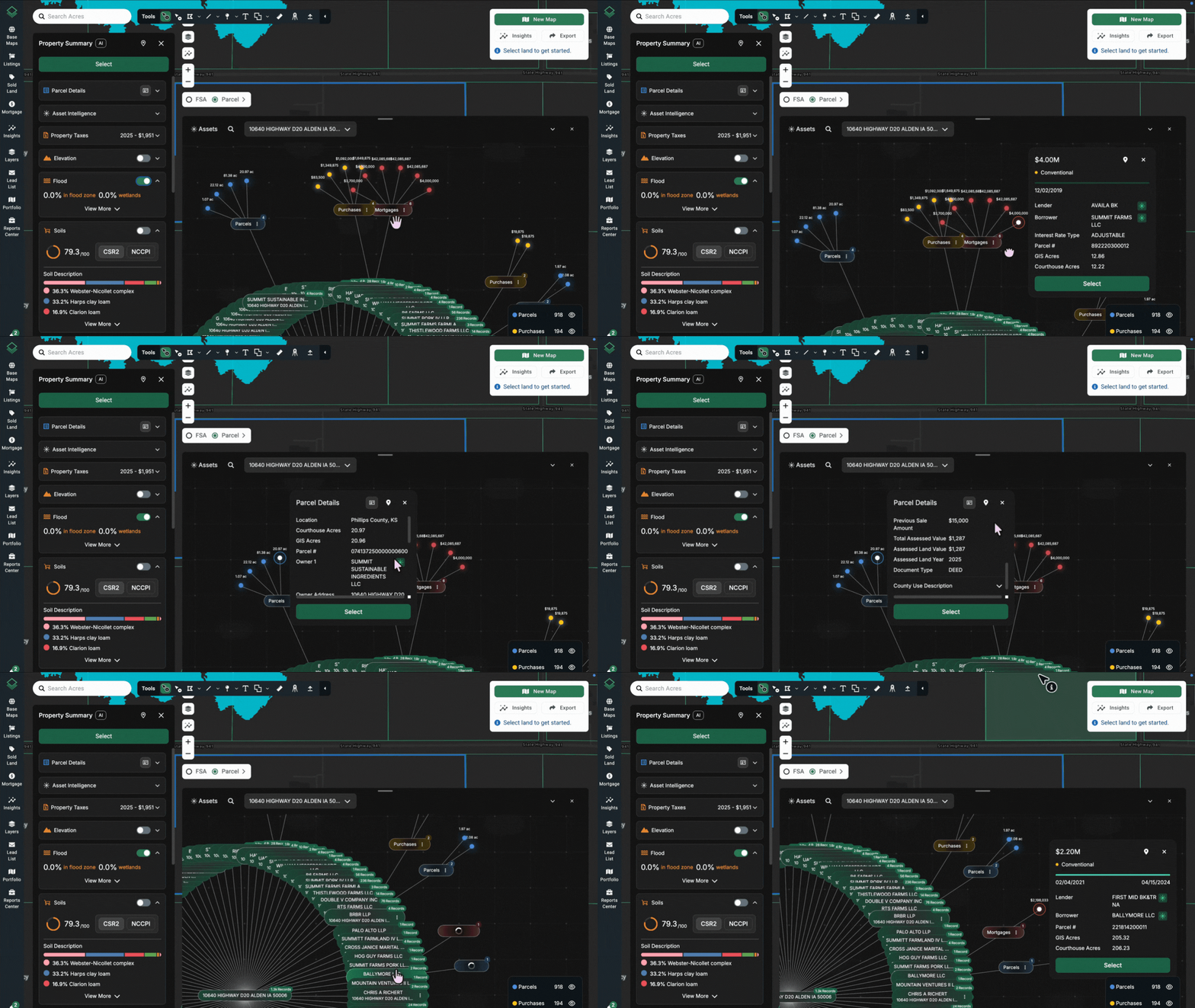
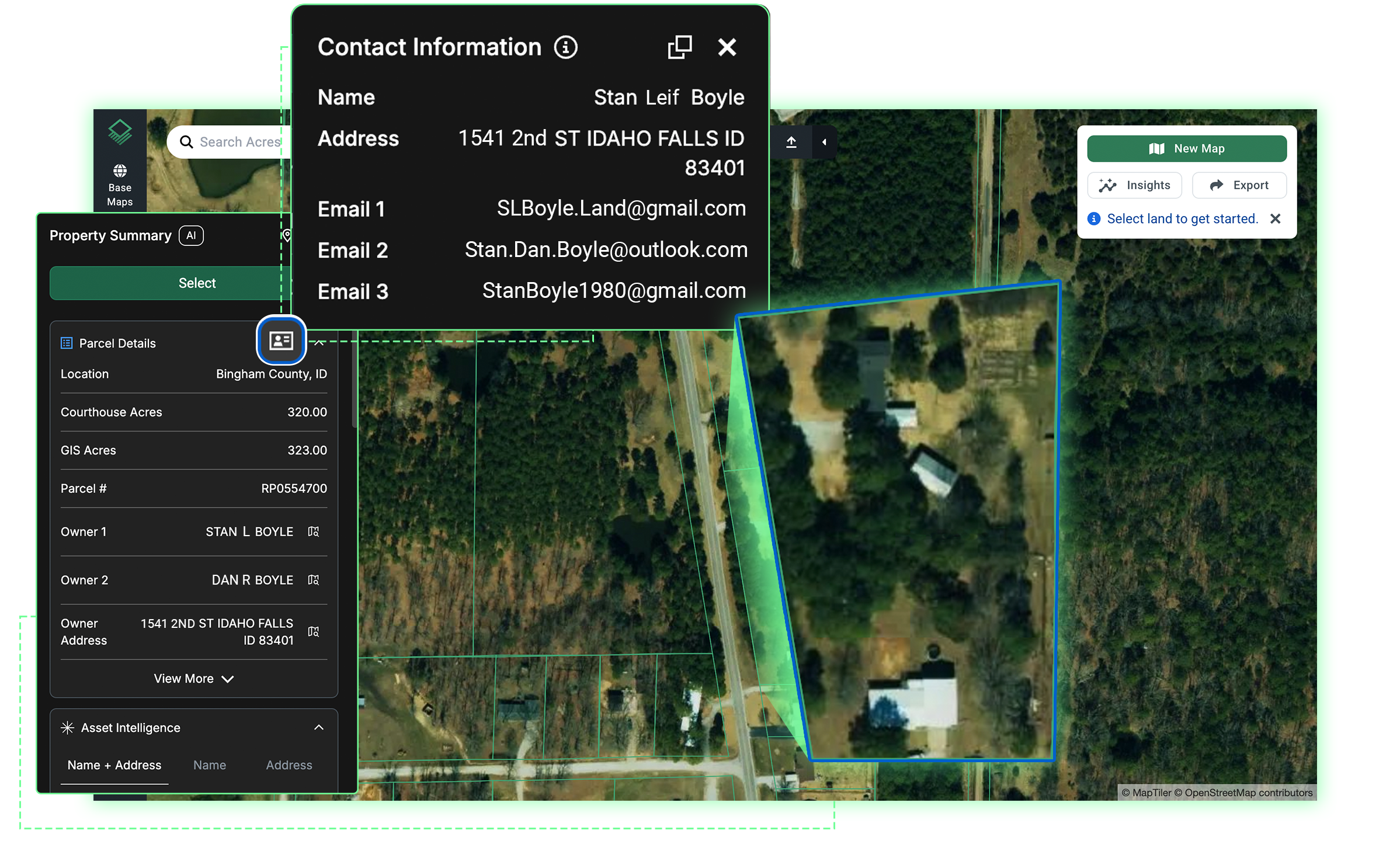
With Acres: Use Asset Intelligence and see how your team can start uncovering the true names and contact information behind LLCs and entities. |
What Should Landowners and Developers Expect?
Landowners selling raw land may now see bids from capital entities as well as builders. These buyers often move on strong cash offers, though they may require longer closing timelines tied to zoning and development approvals before funding the purchase.
Developers can find a steady buyer in a land banker, since the banker needs finished lots to deliver to builders. The tradeoff is that the developer's exit now depends on a builder's takedown pace further down the chain. Reading that chain clearly helps each party price its risk.
Is Land Banking for Homebuilders a Good Strategy?
Land banking works best as a selective capital tool rather than a default model, depending on a builder's balance sheet goals and local market pace. For many builders, it trades margin for flexibility. Option premiums reduce gross margin on each home, but the builder keeps capital free and avoids carrying unsold land in a downturn.
The capital side matters too. In the Federal Reserve's October 2026 Senior Loan Officer Survey, banks reported tightening standards on construction and land development loans. When traditional bank financing becomes harder to secure, builders increasingly turn to third-party land capital to fund lot pipelines instead.
The strategy works best when takedown schedules match real absorption. According to the Census Bureau's September 2026 new home sales report, new homes for sale equaled 8.4 months of supply. With that much inventory, a builder that commits to aggressive schedules in a slowing market can end up paying for lots it cannot sell. Builders with strong cash reserves and steady absorption may still prefer owning land directly to capture full profits, while builders who want to preserve cash and limit their risk in a slow market can buy lots in phases through a land banker instead.
Land Banking FAQ
Why are homebuilders using land bankers?
Builders use land bankers to control lots without tying up capital in land. Tighter development credit and the long time between land purchase and home closing make that flexibility more valuable.
How much of builder lot supply now comes from land bankers?
No public source tracks this nationally because option agreements are typically private. However, major public builders regularly report the share of lots they control through options rather than owning outright, which can highlight the broader shift toward off-balance-sheet pipelines.
What does land-light mean in homebuilding?
Land-light means a builder controls more lots through options than it owns outright. The land sits with a land banker, developer or landowner until the builder takes the lots down.
What happens to banked lots when a builder walks away?
The builder usually forfeits its deposit, and the land banker keeps the lots. The land banker then looks for another builder, which can create lot opportunities for other land teams.
How Does Acres Help Land Teams Read Land Banking Activity?
Acres users approach this by starting with ownership and transactions rather than press releases. Teams can trace which entities hold land in a submarket, follow lot transfers over time and view builder pipeline data in the same place.
Acres covers the entire U.S., so the same research works in a fast-growing county or a major metro. Teams can see a complete, connected view of ownership, risk, and opportunity for each community they track. That makes it easier to spot a banked community before it shapes your next bid.
What Should Builder Land Teams Take From This Shift?
Land banking for homebuilders shifts land ownership and carrying risk from builders to third-party capital. It gives builders flexibility, adds option premiums to lot costs, and introduces new competitors for raw land. The shift is uneven by builder and by market, so local records tell you more than national headlines. Start by mapping who owns the land under each active community in your submarket.
Tracking land bankers across several submarkets is easier with ownership and builder activity in one place. Book a demo to see how your team can map banked communities and lot transfers in your markets.